


Progressive Cavity Pumps
Discover the capabilities of progressive cavity pumps and how they can be the right solution for your application.
Description
What are Progressive Cavity Pumps?
How do Progressive Cavity Pumps work?
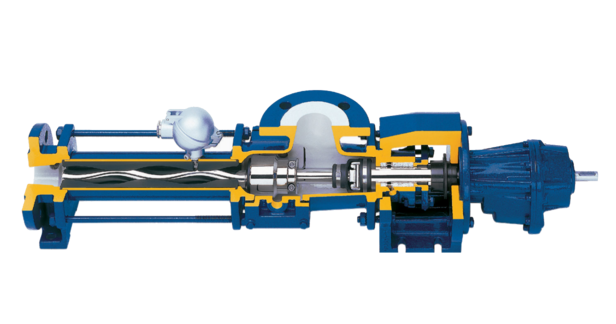
A progressive cavity pump works by using a helical rotor that rotates inside a double-helix stator. The rotor forms a set of fixed-size cavities that move as the rotor turns, transferring fluid through the pump. This design results in a flow with minimal pulsation and low levels of shearing applied to the pumped fluid. The rotor, typically made of solid metal, rotating inside a stator, usually made from an elastomeric material like natural rubber creates cavities that progress along the length of the pump, moving the fluid from the inlet to the outlet. This mechanism allows the pump to handle high-viscous fluids and tough pumping applications effectively.
Progressive Cavity Pump Applications
- Water Treatment and Wastewater Management:Â Progressive cavity pumps are commonly used for dosing lime and transferring sludges in water treatment and industrial process plants.
- Chemical Processing:Â These pumps are used for handling abrasive and corrosive fluids, ensuring precise and consistent fluid transfer.
- Food and Beverage Industry:Â They are employed for pumping viscous food products, ensuring hygienic and efficient processing.
- Oil and Gas Industry:Â Progressive cavity pumps are ideal for oil extraction and other operations within the oil and gas sector.
